Facebook
 X
X
 Pinterest
 Copy Link
Why Homes Are Sitting Longer Than They Did Two Years Ago (And What It Means If You’re Selling in Temecula)
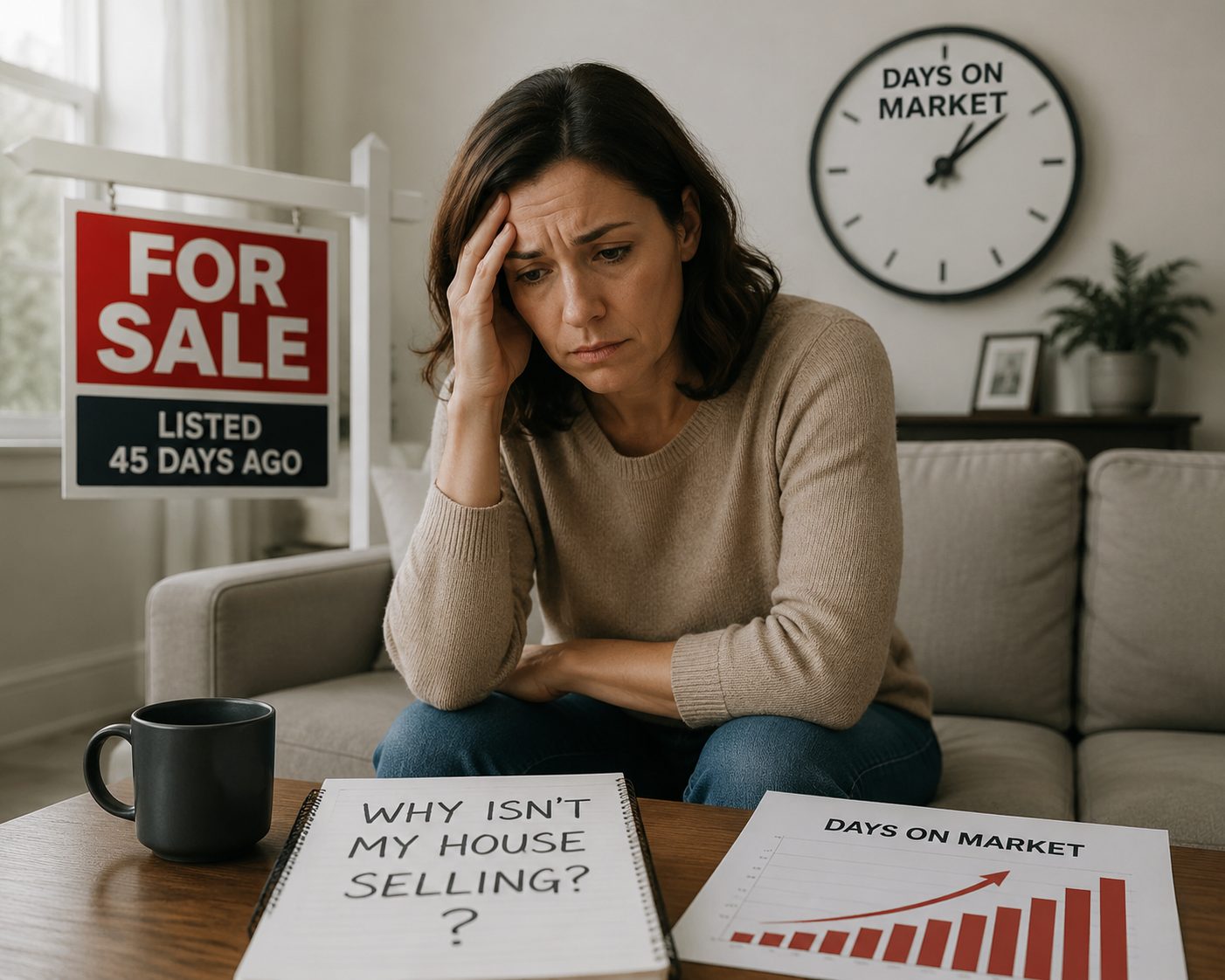
If you’ve been watching the “For Sale” signs around Paseo del Sol, Wine Country, or Old Town a little longer than you remember from a couple years ago, you’re not imagining things. Homes really are taking more time to sell right now, both across the country and right here in Southwest Riverside County.
Nationally, the National Association of Realtors has pointed out that days on market have been stretching out, and buyers are simply taking more time to decide. That’s a real shift from the pandemic years, when a well-priced home could go pending in a weekend. NAR’s own research team has been direct about the reason: homes priced even a few percent above market are the ones sitting the longest and needing the deepest price cuts later on.
Locally, the numbers tell a similar story, though the exact figures depend on which data source and time window you look at. Some recent Temecula reports show average days on market in the 40s, others closer to 70 or even higher depending on price point and neighborhood. What almost every local report agrees on is the direction: compared to the frenzy of a couple years ago, homes are taking noticeably longer to find a buyer, even as sales volume has actually held up or improved.
Here’s the part sellers need to hear. This is not a crash. Inventory here is still relatively lean by historical standards, and well-priced homes in good condition are still moving quickly, sometimes in a week or two. What’s changed is that buyers finally have options, and they’re using them. They’re comparing your home to three or four others in the same price range instead of writing an offer the day it hits the market. That means the days of “just list it a little high, we’ll get offers anyway” are largely behind us.
Why pricing correctly matters more than ever right now
When a home is priced right from day one, it tends to attract serious buyers quickly, generate showings in that first critical week or two, and sell close to asking. When it’s priced even slightly above the market, something predictable tends to happen instead. It sits. Buyers start to wonder what’s wrong with it. Showings slow down. And by the time a price reduction happens, buyers have already mentally filed the home away as “stale,” which often means the eventual sale price ends up lower than if it had been priced accurately from the start.
That first-two-weeks window really is the moment that matters most. That’s when your home is freshest, when it shows up in new saved searches, and when buyer interest is naturally at its peak. A strong, accurate price captures that momentum. An optimistic price burns through it.
What this means if you’re thinking about selling
A more balanced market isn’t bad news, it just means the old shortcuts don’t work anymore. Buyers here are still very active, especially for homes that are priced accurately, show well, and are marketed properly. If you’re considering listing this summer or fall, the smartest move is a pricing conversation grounded in what’s actually closing in your neighborhood right now, not what a similar home sold for a year or two ago, and not what a Zestimate or automated tool suggests.
If you’d like a real, current read on what your specific home would likely sell for in today’s market, and how quickly, I’m happy to put together a comparative market analysis for you. No pressure, just honest numbers so you can make the decision that’s right for you.